


Teenagers
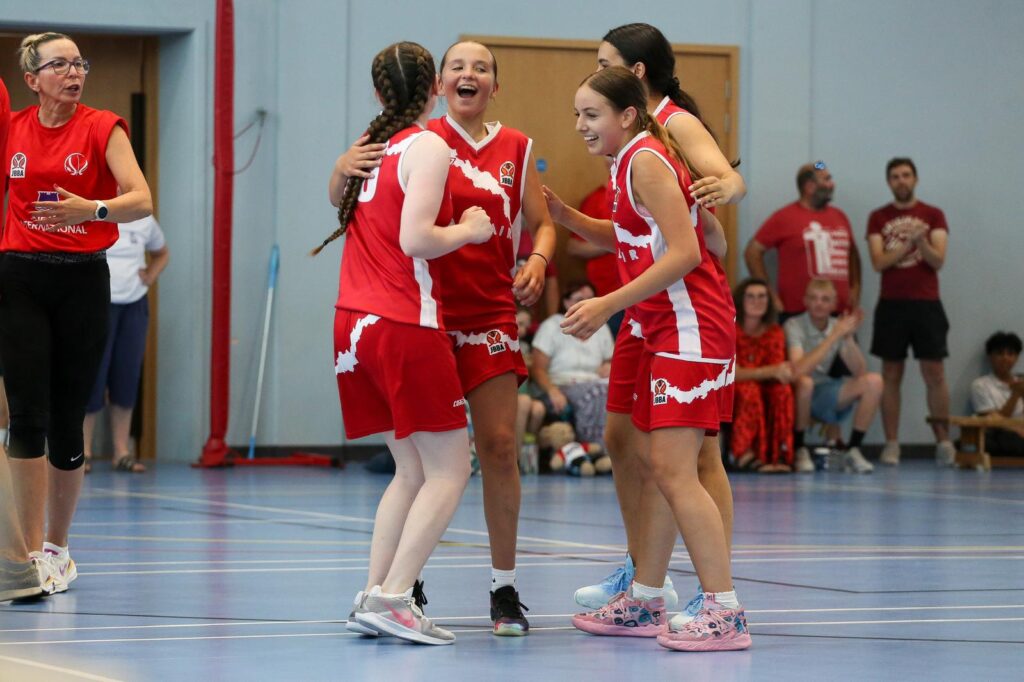
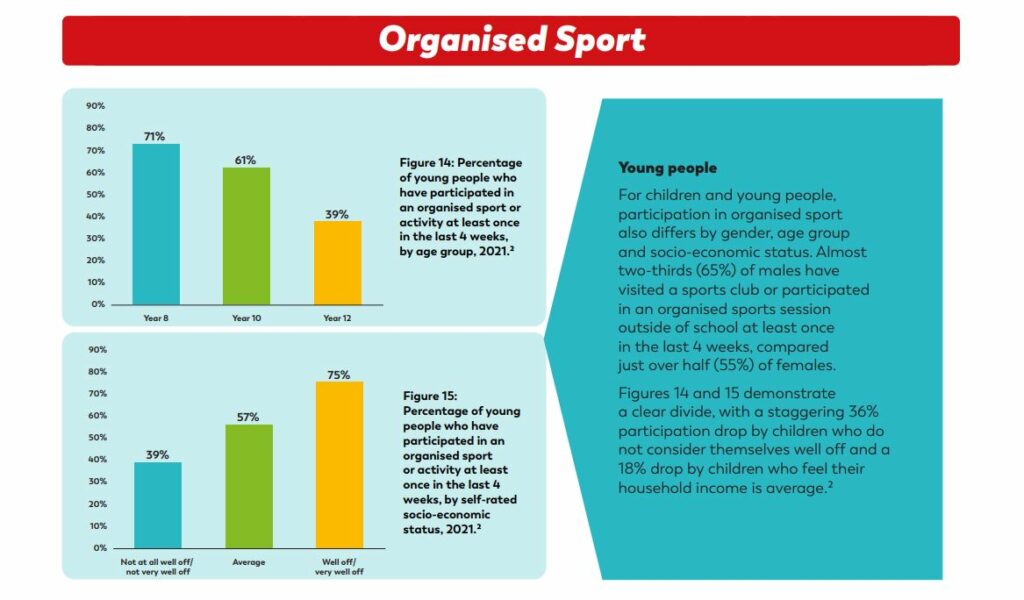
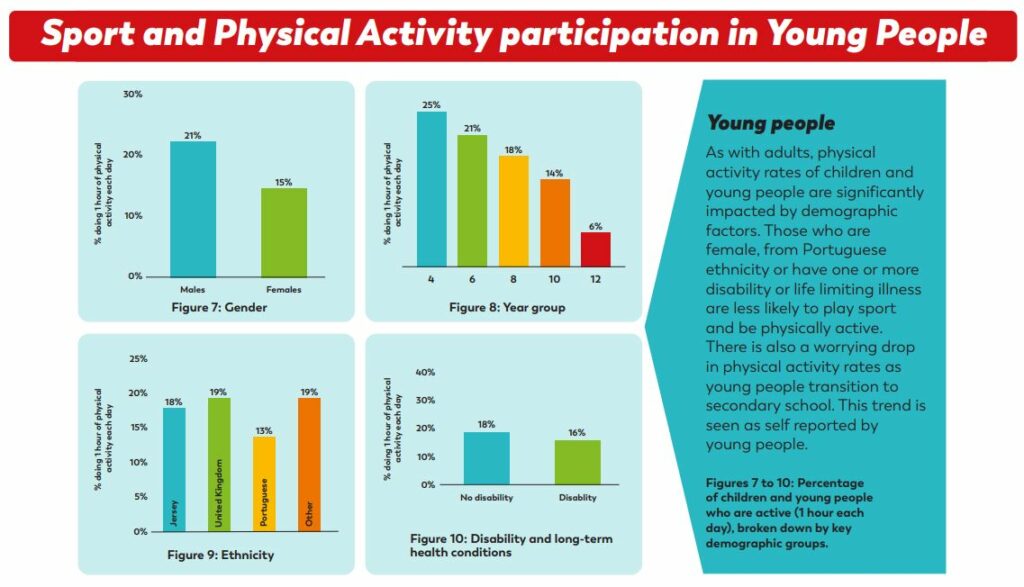
Data tells us there are significant inequalities that exist in Jersey for islanders to access sport and physical activity. One of most concern is the significant drop-out rate as children transition through puberty as teenagers.
Children aged between 5 and 18 years old should meet the UK’s Chief Medical Officer’s recommended guidelines by accumulating an average of at least 60 minutes of physical activity per day across the week. The data surrounding children and young people shows almost a 20% decline in meeting these guidelines as children transition through secondary school from year 6 to year 12.
This ‘drop off’ rate is far more significant in Jersey compared to England, where inactivity rates rose from an average of 32% for children in school years 5 and 6, to 35% for young people in school years 9 to 11 (Children and Young People’s Activity Data for 2021).
England’s higher levels of physical activity in teens could be attributed to targeted initiatives like ‘Play Their Way’- a programme which aims to kickstart a movement of child-centred coaches, organisations and people who are focused on changing the sport environment from the ground up.
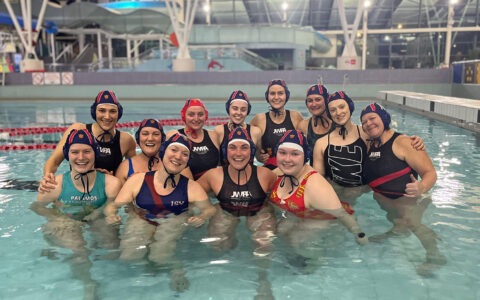
Organised sport also often reflects this trend locally, as sports organisations see many teenagers ‘dropping out’ of their childhood sports clubs as they transition through secondary school and into adulthood.
Barriers to participation
- Feeling self-conscious and lacking confidence in themselves
- Lack of knowledge in women’s hygiene products to enable them to participate in sport
- Lack of personal motivation to exercise
- Lack of available exercise equipment
- Lack of opportunities to cater for a preference of single-sex activities
- PE lessons that are focused on limited sports
- Fear of body-shaming and bullying from more ‘athletic’ peers
- Lack of outside or suitable space to exercise close to home
- Unable to attend sporting activities due to transport restrictions
- Lack of disposable income to attend
- Other hobbies or trends take priority, e.g. engaging in gaming online, social events
- Poor role modelling or lack of support, enthusiasm or encouragement from family or friends
Strategies to encourage participation
- Ask your participants how you can make your sport setting a safe, welcoming and inclusive environment for them to be and stay involved
- Coordinate teenage-specific classes, ‘bring a friend’, beginner courses, taster sessions or ‘drop-in’ opportunities
- Reframing competitions to encourage participation and inclusion
- Create opportunities for teenagers to support with other roles, e.g. coaching, officiating, volunteering
- Encourage parents to model positive behaviours and attitudes towards sport and physical activity
- Use technology to encourage participation and engagement, for example utilising social media platforms like TikTok which are popular with young people.
Additional support, resources and
- Social Mobility Alliance: Ipswich Social Mobility Alliance
- Sported charity that gives guidance and support to community groups looking to improves the lives of young people through sport and physical activity: Sported UK
- What Are The Exercise Barriers for Teenagers? (activekids.com)
- Secondary teacher training programme | Sport England
- Play Their Way – About Us | Our Philosophy
- Sport England – Why PE, school sport and physical activity matters
- Sport England – Why inclusive PE makes a happy school
- Sport England – Top tips to make PE, school sport and physical activity great for students
- Sport England – How to make PE inclusive for everyone
- Sport England – Are you really listening?
- Studio You (studio-you.co.uk) – Free video PE lessons to help support teenage girls 11-16 to view PE differently
- Puberty & Sport: An Invisible Stage- Under Pressure on Vimeo
- Families – Working with families to be physically active together
- Families Fund – What works (delivering sport and physical activity to families)
- Families Fund – Benefits for the Sports and Physical Activities Sector